
Results
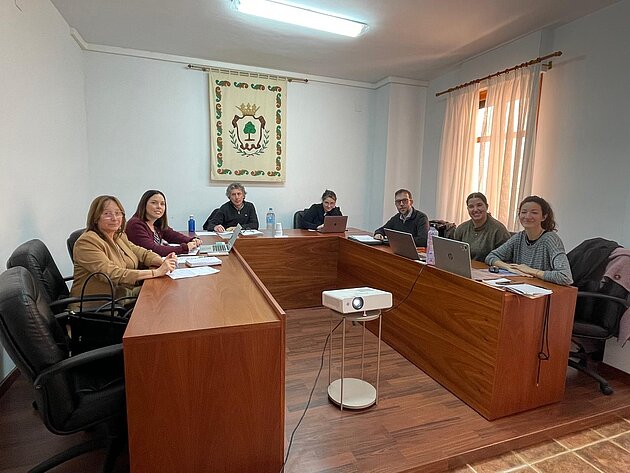
A1 – Engagement Partners and Sustainable Villages Insights
A1 was a Transnational Project Meeting held in Azuébar, where project partners came together to identify traditional rural practices and discuss their contribution to climate change adaptation and sustainability.
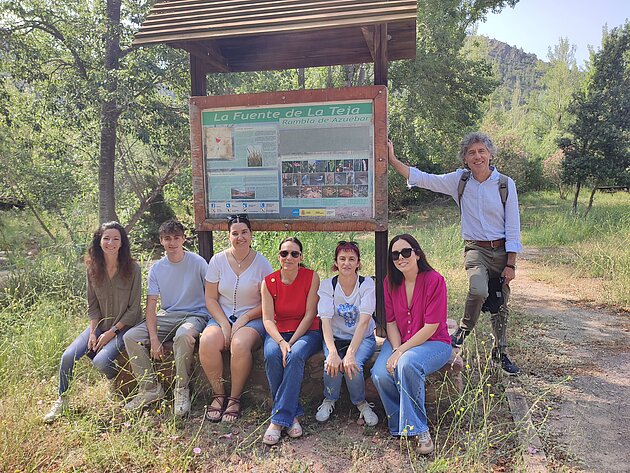
A2 - Training on Climate Change and Sustainability in Rural Areas
A2 was a three-day training seminar for adult trainers from Azuébar, Fontecchio and Alte. Participants explored traditional rural lifestyles and practices that support sustainability and climate resilience through workshops, discussions, and field visits.
HANDBOOK FOR ADULT TRAINERS
“Climate Change Mitigation and Adaptation through Traditional Rural Behaviours and Lifestyles”
Explore how traditional rural lifestyles can contribute to effective climate change mitigation and adaptation strategies. This handbook provides a comprehensive understanding of climate change dynamics in rural contexts and highlights the positive impact of rural behaviours.
Download it now!
-
HandbookSPARROWS.pdf 6 MB
CLIMATE CHANGE MITIGATION AND ADAPTATION THROUGH TRADITIONAL RURAL BEHAVIOURS AND LIFESTYLES © 2025 by Associació Cultural CRESOL is licensed under CC BY 4.0. To view a copy of this license, visit https://creativecommons.org/licenses/by/4.0/

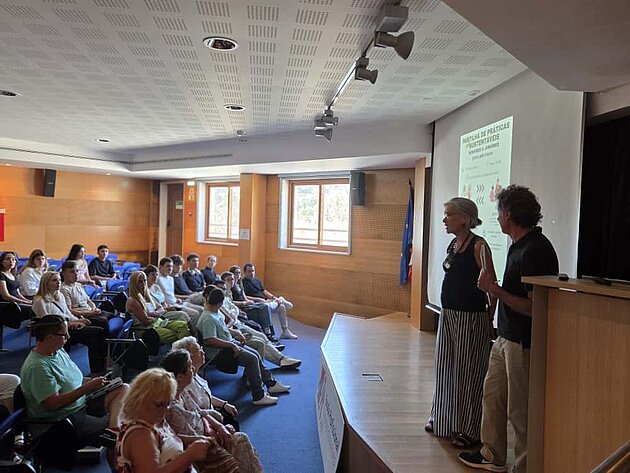
A3 - Designing Innovative Learning Spaces in Natural Environments Using Digital Tools
A3 involved the co-creation of educational pathways in Azuébar, Fontecchio and Alte, combining environmental education, local biodiversity, and digital tools.
Through a participatory process, young people, older residents, and local stakeholders worked together to identify and showcase sustainable practices and traditional knowledge.
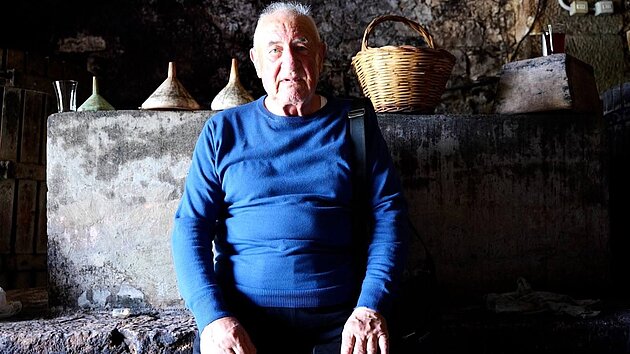
A4 - Sustainable Living Insights: Creating Multimedia Educational Resources
A4 focused on the creation of multimedia educational resources based on the sustainable practices and local knowledge identified during the project.
Young people worked with older residents to collect stories, experiences, and traditions, producing videos and other digital materials that promoted intergenerational learning and sustainable living.
A5 - Sustainable lifestyles Reflection Journey
A5 invited participants to explore the educational pathways and reflect on sustainable lifestyles through interactive activities and quizzes.
Using the resources developed throughout the project, the activity encouraged participants to consider how their daily choices affect the environment and society.
A6 - Implementation and Networking Event
A6 was the final activity of the project and brought together the results of all previous phases.
National events were organised in Azuébar, Alte and Fontecchio to test the sustainable tourism itineraries developed during the project, involving local residents, visitors and participants from other rural communities.
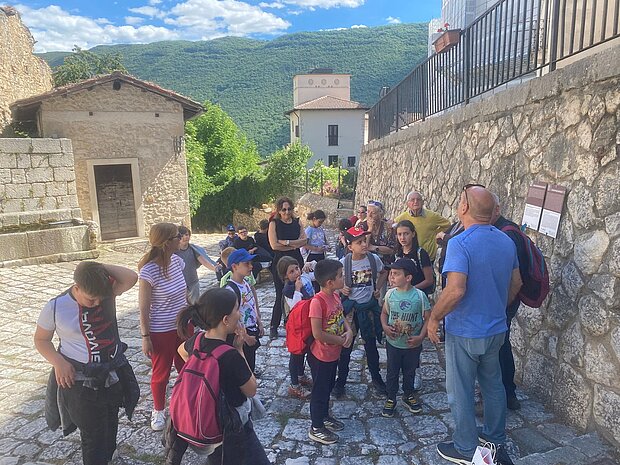
A5 - Sustainable lifestyles Reflection Journey
A5 invited participants to explore the educational pathways and reflect on sustainable lifestyles through interactive activities and quizzes.
Using the resources developed throughout the project, the activity encouraged participants to consider how their daily choices affect the environment and society.
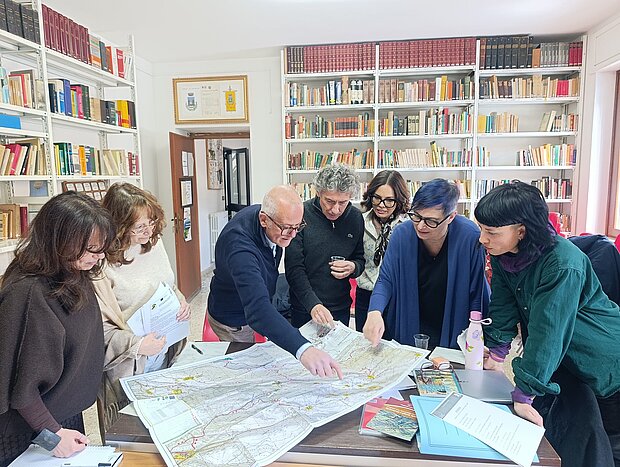
A6 - Implementation and Networking Event
A6 was the final activity of the project and brought together the results of all previous phases.
National events were organised in Azuébar, Alte and Fontecchio to test the sustainable tourism itineraries developed during the project, involving local residents, visitors and participants from other rural communities.
A6 - Testing of the Pathways
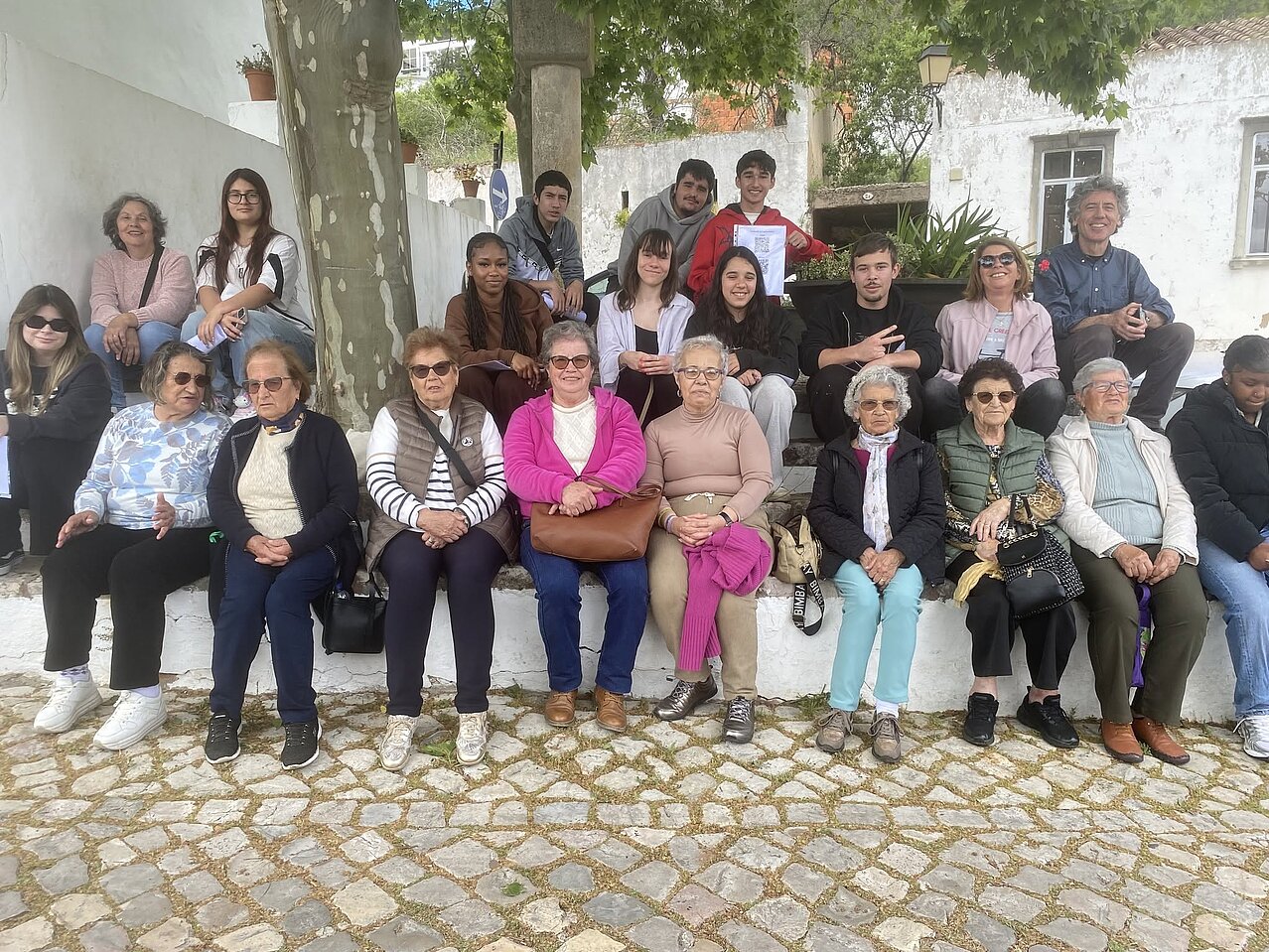
Final National Testing Event - Alte (Portugal)
On 14 April, the Escola Profissional de Alte organised a pilot testing activity for the Trilho da Ribeira d’Alte XL trail, bringing together 10 young people, 10 older adults, and 4 trainers in an experience centred on knowledge sharing, territorial discovery, and intergenerational dialogue.
Throughout the trail, young and older participants took part in a range of collaborative activities that highlighted the value of intergenerational cooperation. The younger participants supported the older adults in using digital tools, including accessing videos and completing mobile-based questionnaires.
The multimedia content used during the activity was created by the older participants themselves, with the support of the younger generation, through a process of mutual learning that helped preserve memories, life experiences, and local knowledge while simultaneously developing digital skills and strengthening community bonds.
The project aims to create interpretive tourism routes in each of the participating locations, offering visitors authentic experiences that connect them with the natural, cultural, and human heritage of each territory. More than simple walking trails, these routes are built around the stories, memories, and traditions shared by local communities, transforming them into meaningful experiences of discovery and interpretation of the landscape.
At the heart of this project are the older members of the community, who are the custodians of the knowledge, practices, and lived experiences that form an essential part of local identity. By sharing their knowledge and their connection to the territory, they help preserve traditions, promote sustainable practices, and pass on an invaluable intangible cultural heritage to future generations.
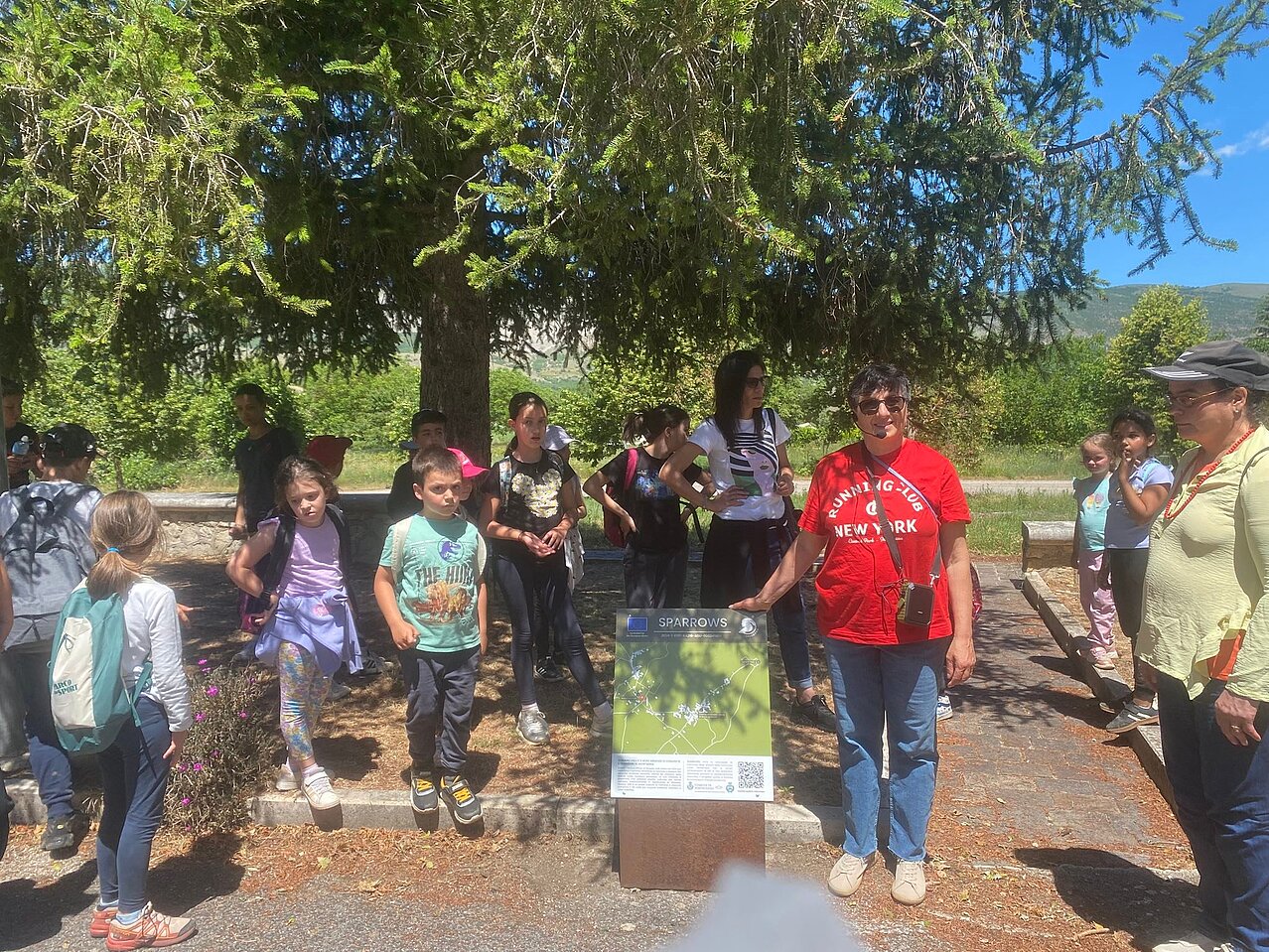
Final National Testing Event - Fontecchio (Italy)
The final national testing event in Fontecchio was organised to test and present the educational routes developed through the SPARROWS project.
The activity brought together children, teachers, parents, grandparents, and members of the local community to explore the cultural and natural heritage of the Subequana Valley.
Participants visited several locations in Fontecchio, Fagnano, Acciano, and Goriano Valli, discovering topics such as traditional truffle production, medieval architecture, local history, traditional wines, and rural heritage. Throughout the route, they used maps, information panels, and QR codes to access the digital materials created during the project.
The event successfully validated the educational routes, promoted intergenerational learning, and demonstrated how local knowledge can be preserved and shared through innovative educational resources.
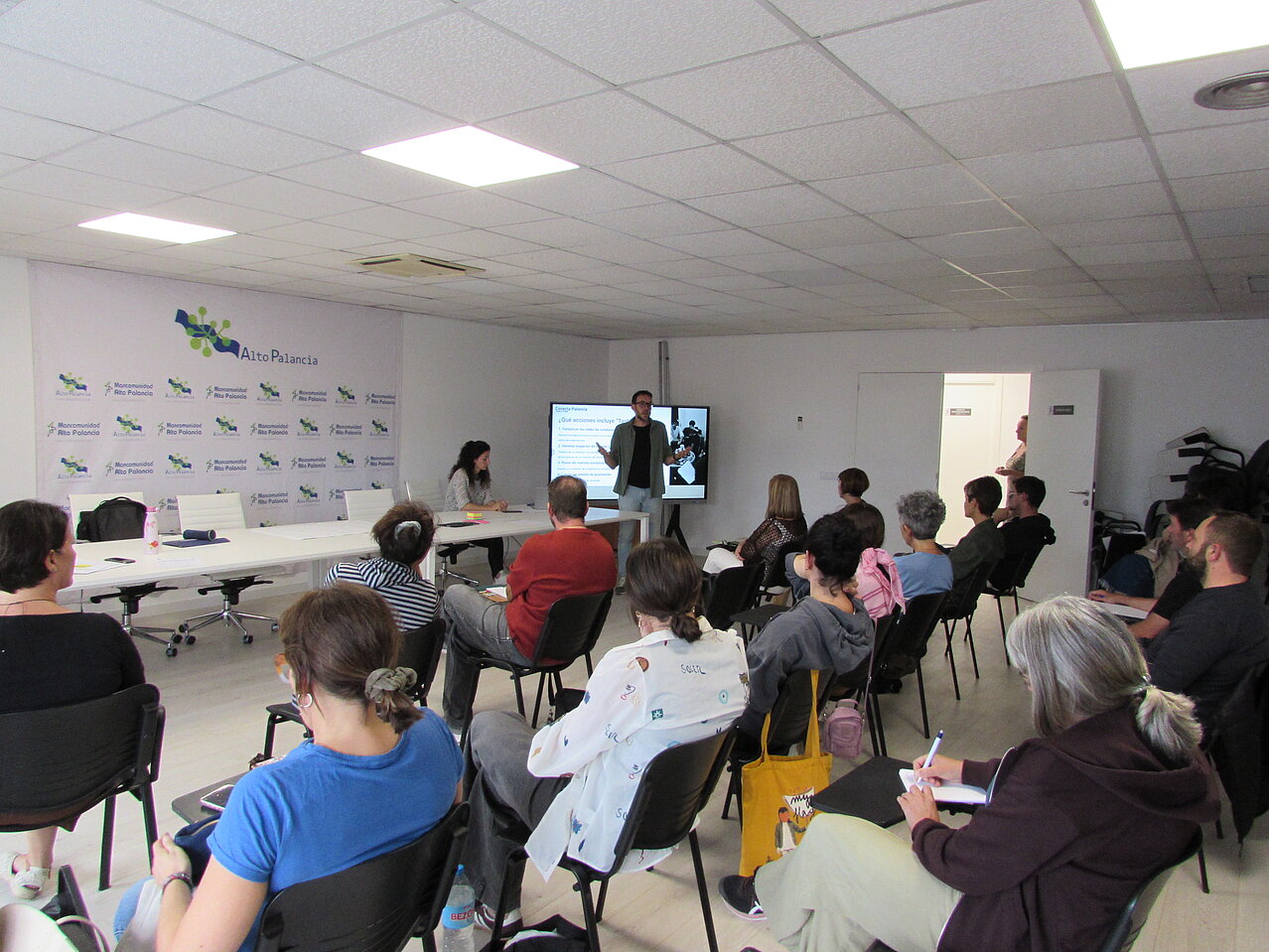
Final National Testing Event - Azuébar (Spain)
The final national testing event in Azuébar was organised during the Azuébar Gastronomy and Local Resources Fair, organised by the Municipality of Azuébar, to maximise participation and visibility.
The event started with a brief presentation of the SPARROWS project, its objectives, and the educational materials developed. Participants then tested the Azuébar educational route by visiting the different points of interest, scanning QR codes, and watching the videos featuring local older residents while learning about the village’s natural and cultural heritage.
More than 30 participants, including young people, older residents, local inhabitants, and tourists, took part in the activity. The event successfully validated the educational route, promoted intergenerational learning, and gathered positive feedback on the experience and the project's results.